 Since 1970
Since 1970
Since 1970
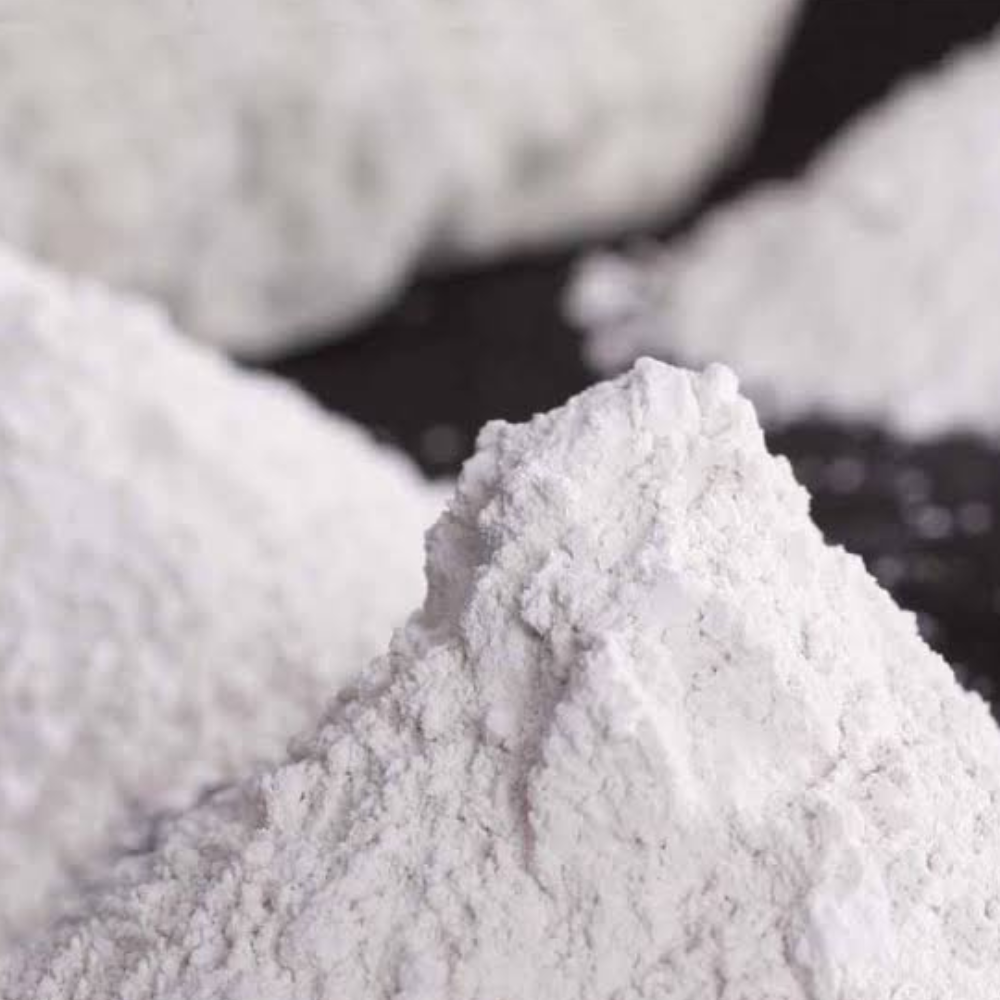
High-efficiency Anti-Settling Agents engineered to prevent the sedimentation, hard-caking, and phase separation of heavy pigments and extenders during prolonged storage. Restores uniform suspension with low viscosity impact under high-shear application conditions.
Available Chemistry Types: Fumed Silica, Organoclays (Bentonite/Hectrite), Hydrogenated Castor Oil (HCO) Waxes, and Polymeric Polyamides
Primary Function: Suspension stabilization, pigment float control, and anti-caking protection
Key Properties: Restores soft-settling rheology, improves sag resistance, and preserves long-term formula homogeneity
Standard Packaging: 15kg to 25kg multi-wall bags (powders) / 25kg drums / 200kg barrels (liquids)
Anti-Settling Agents are specialized additive technologies designed to maintain a stable particle suspension within liquid coatings, inks, and masterbatches. By building a loose, reversible three-dimensional network (thixotropic loop) inside the liquid matrix, these agents support dense inorganic materials like Titanium Dioxide, Chrome Yellow, Iron Oxides, and Barium Sulfate while at rest. Upon agitation or spraying, the network temporarily breaks down to allow clean fluid flow, instantly rebuilding post-application to prevent sagging on vertical substrates.
Organoclays (Bentonite & Hectorite): Highly efficient for solvent-borne systems. When pre-activated with a polar activator, these clay platelets expand to form a durable card-house structure that locks heavy pigments in place and provides superior sag control.
Polyamide & Hydrogenated Castor Oil Waxes: Micronized organic waxes that swell under controlled temperature milling. They form a microscopic filament network that is highly effective at stopping hard settlement in architectural alkyds, industrial enamels, and wood finishes.
Liquid Polymeric Suspending Agents: Advanced solutions containing modified polyureas or polyamides that require no pre-shearing or heat activation. They drop easily into water-borne and solvent-borne inline systems for post-addition correction.
Heavy-Duty Industrial Coatings: Essential for zinc-rich primers, marine topcoats, and agricultural enamels where high pigment density makes hard-caking a constant risk.
Architectural & Exterior Wall Paints: Prevents phase separation, watery surface layer syneresis, and color flooding inside storage containers over extended warehouse storage cycles.
Dip & Spray Primers: Maintains uniform pigment concentration in manufacturing dipping tanks and automated spray lines, preventing uneven color distribution on processed parts.
Printing Inks & Sealants: Protects high-solids gravure packaging inks and fluid joints from settling without impacting fine screen dot resolution.
| Parameter / Property | Solvent-Borne Organoclay | Liquid Polymeric Variant | Organic Wax Powder |
| Physical Form | Fine Creamy Powder | Amber Liquid | Micronized White Powder |
| Active Content (%) | ≥ 98.0% | 30.0% – 50.0% | ≥ 99.0% |
| Activation Profile | Requires Shear & Polar Solvent | Direct Post-Addable | Requires Temperature (45°C–65°C) |
| System Compatibility | Low to Medium Polarity Solvents | Water-Borne & Polar Solvents | Industrial Oils, Epoxies & Alkyds |
| Viscosity Build | High Low-Shear Yield | Moderate / True Anti-Settle | High Thixotropic Sag Control |
Store in a clean, dry, and well-ventilated warehouse environment. For powder grades (Organoclays and Waxes), keep bags securely tied to avoid moisture contamination and clumping. For liquid additives, preserve temperatures between 5°C and 35°C to avoid thermal phase separation. Always check the specific Material Safety Data Sheet (MSDS) and batch Certificate of Analysis (COA) prior to production scaling.